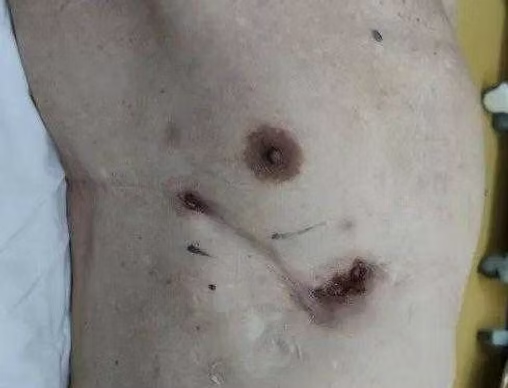
Chest wall infections can be serious if not treated properly. Understanding the causes, symptoms, and treatment options is crucial for effective management.
What Causes Chest Wall Infections?
Chest wall infections can arise from several causes. Trauma, such as severe impacts or surgical wounds, can create openings for bacteria to enter and lead to chest wall infections. Additionally, surgery may increase the risk of infection if aseptic techniques are not followed. Cryptic infections, where the cause is unknown, can also lead to chest wall infections. Patients with weakened immune systems, such as those with diabetes or undergoing chemotherapy, are also vulnerable to these infections.
Common Chest Wall Infection Symptoms to Watch For
Common chest wall infection symptoms include swelling, redness, and pain at the infection site. Other symptoms may include fever, fatigue, and muscle soreness. If these symptoms persist or worsen, it may indicate a more severe infection that requires immediate medical attention. Delaying treatment can lead to complications, including the spread of infection to other parts of the body.
Effective Treatment Options at The Institute of Chest Wall Surgery (ICWS)
For mild chest wall infections, conservative treatments such as antibiotics and dressing changes are often effective. However, in more severe cases, surgical intervention may be necessary. At The Institute of Chest Wall Surgery (ICWS), advanced procedures are available to remove infected tissue, drain abscesses, and repair any damaged structures in the chest wall. These treatments aim to restore function and prevent further complications, ensuring a quicker recovery for patients.
Conclusion
Chest wall infections should not be ignored—seek professional help at The Institute of Chest Wall Surgery (ICWS) for the best treatment options.
