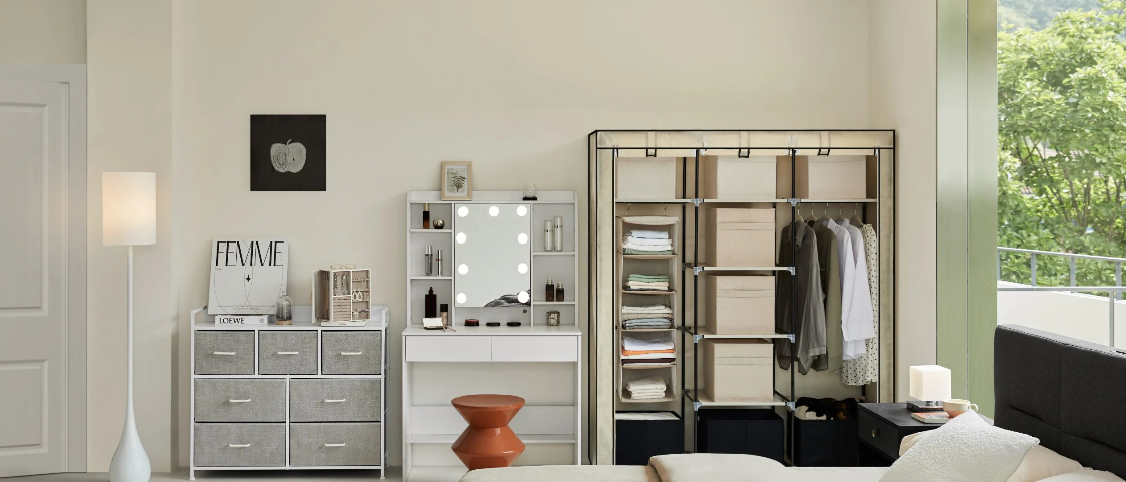
Rapid urbanization continues to redefine modern residential architecture across global markets. As city populations expand, average apartment sizes contract, creating unique spatial challenges for consumers. This demographic shift presents a substantial commercial opportunity for retail buyers. Adapting inventory to address compact living environments allows businesses to capture a motivated customer base.
Traditional, bulky furnishings often prove incompatible with these shrinking floor plans. Shoppers actively seek functional alternatives that maximize their available square footage. Retailers must critically evaluate current catalogs to determine if they adequately serve this urban demographic. Sourcing specialized inventory requires an analytical understanding of how households utilize limited space.
Curating Core Small Space Furniture
Building a resilient retail assortment starts with identifying multi-functional basics. Small space furniture must deliver exceptional utility without causing visual clutter. Storage ottomans and entryway benches with hidden compartments represent highly effective core items. These products provide essential seating while simultaneously concealing everyday household items, offering consumers immediate practical value.
Merchandising dual-purpose items can improve retail shelf velocity. When shoppers realize a single product solves two distinct organizational problems, purchase hesitation generally decreases. Procurement teams should prioritize sourcing furniture that blends utility with neutral aesthetics. Adaptable designs fit various architectural styles, broadening a product’s overall target audience.
Maximizing Vertical Real Estate
Floor space remains a premium commodity in dense urban apartments. To address this limitation, consumers frequently look upwards for organizational solutions. Retail buyers should stock tall shelving units that capitalize on unused vertical areas. High-capacity vertical storage helps users manage belongings without dominating cramped hallways.
When sourcing tall furniture, structural stability becomes a critical procurement factor. Products must possess sturdy bases and reliable wall-anchoring hardware to prevent dangerous tipping hazards. Buyers should carefully evaluate the metal gauges and joint connectors used by manufacturers. Providing structurally sound vertical organization protects brand reputation and minimizes post-purchase customer complaints.
Modularity and Adaptable Configurations
Static furniture often frustrates apartment renters who face unpredictable room layouts. Modularity offers a practical solution to this widespread consumer pain point. Sourcing stackable storage cubes or expandable clothing racks provides end-users with highly customizable organizational tools. This physical adaptability allows consumers to reconfigure their furniture as their residential needs evolve.
Modular designs also present excellent cross-merchandising opportunities within physical showrooms. Retail designers can display expandable units in various configurations, demonstrating practical versatility to potential buyers. Stocking modular systems encourages shoppers to purchase foundational starter kits and return later for supplementary add-ons. This strategy can effectively drive long-term customer retention and repeat transactions.
Addressing Specific Room Constraints
Different residential zones present entirely unique organizational challenges. A bedroom requires different storage solutions than a combined living and dining area. Retail buyers should diversify their catalogs to address these specific rooms individually. Providing targeted furniture for narrow entryways, compact home offices, or small bathrooms helps businesses appeal to a much wider consumer base.
For example, sourcing slim console tables or over-the-toilet storage racks addresses very precise spatial bottlenecks. When retailers offer products that solve localized clutter issues, they create compelling reasons for immediate purchase. Segmenting a furniture assortment by room function can also streamline the online shopping experience, guiding customers toward highly relevant organizational tools.
The Logistics of Space Saving Furniture
Effective category management requires analyzing the hidden logistical costs associated with wholesale procurement. High-density space saving furniture typically features flat-pack engineering. This design approach allows manufacturers to compress bulky items into highly compact shipping cartons. For retail distributors, this packaging efficiency is vital for maintaining healthy operational margins.
Compact packaging enables buyers to load a significantly higher volume of units into standard ocean shipping containers. Maximizing freight cargo density directly lowers the per-unit transportation cost. This logistical efficiency provides retail businesses with greater pricing flexibility during competitive promotional seasons. It also supports better warehouse space utilization upon arrival at regional distribution centers.
Identifying Capable B2B Suppliers
Maintaining consistent quality across a diverse catalog requires vetting manufacturing partners thoroughly. A reliable factory must demonstrate the technical capacity to produce various compact designs, from reinforced vertical shelving to intricate modular connectors. Procurement teams should review a supplier’s internal quality control protocols before committing to large-scale seasonal wholesale orders.
Operational scalability serves as another crucial factor for international B2B buyers. Consumer demand for organizational tools frequently spikes during specific periods, such as spring cleaning seasons or autumn moving months. Manufacturers equipped with extensive production lines can respond more rapidly to sudden increases in purchase volume, preventing costly retail stockouts.
Leveraging SONGMICS HOME for Global Supply
Reviewing established international furniture providers can help businesses refine their sourcing networks. SONGMICS HOME operates as a comprehensive B2B manufacturer specializing in diverse organizational solutions. Their product portfolio encompasses multi-functional seating, tall storage racks, and adaptable modular systems designed specifically for compact living. This manufacturing scope enables retailers to source diverse formats through one network.
To facilitate consistent cross-border distribution, they manage self-owned logistics facilities across several strategic global markets. This localized warehousing capability is structured to support prompt order fulfillment for wholesale partners. Retail businesses might leverage this logistical setup to streamline complex inbound freight operations and stabilize inventory replenishment cycles against unpredictable ocean transit delays.
Additionally, their internal engineering teams are available for Original Equipment Manufacturer collaborations. This B2B service allows wholesale clients to request specific hardware upgrades, custom dimensions, or unique packaging. Tailoring compact furniture to align with regional architectural trends allows retailers to actively differentiate their catalogs, supporting a more targeted commercial merchandising strategy.
Successfully capturing the urban demographic relies on a highly analytical approach to inventory selection. Procurement departments that actively prioritize multi-functional utility, vertical capacity, and flat-pack logistics build a much more resilient product portfolio. This strategic alignment with modern architectural realities helps businesses maintain steady retail shelf velocity throughout the fiscal year.
Developing a robust catalog also requires strong alignment with versatile manufacturing networks. Consolidating vendor relationships streamlines administrative overhead and improves overall supply chain fluidity. By continuously refining their category offerings to meet specific residential constraints, retail distributors can establish a strong market position and adapt smoothly to future demographic shifts.
