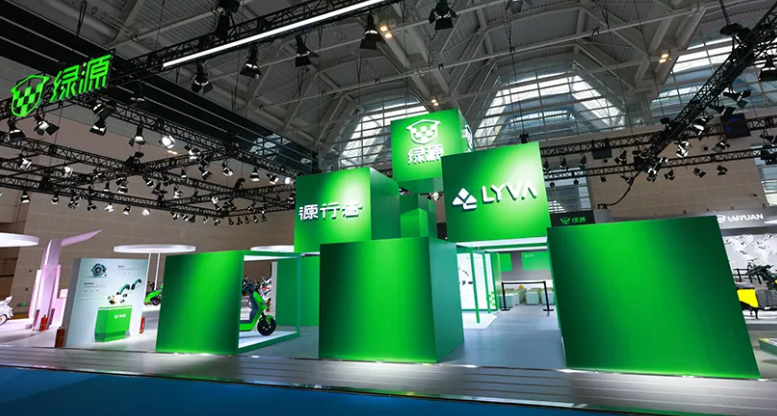
Expanding an electric two-wheeler business across borders involves far more than shipping the same vehicle to several countries. Regulations, rider preferences, climate, road conditions, distribution structures, and after-sales expectations can vary considerably between markets. A supplier that communicates clearly and adapts its support to these differences can make expansion easier to manage.
For distributors assessing a Chinese electric scooter partner, the key questions concern not only product quality and pricing, but also how effectively the manufacturer handles different market requirements over time. LUYUAN operates in the international electric mobility sector, where dependable cooperation matters alongside vehicle performance.
Adaptability Across Different Markets
A scooter that sells well in one country may need a different product position elsewhere. Dense urban markets often favor compact vehicles for short trips, while suburban areas may place greater emphasis on range, carrying capacity, and comfort over longer journeys. Weather can influence battery performance and component maintenance, while road conditions affect tire selection, suspension requirements, and braking expectations. Distributors benefit from a supplier that can explain these trade-offs instead of treating every region as the same market.
Regulatory compliance deserves attention before product selection or shipment. Vehicle classification, maximum permitted speed, motor ratings, lighting, braking equipment, registration, and certification requirements can differ by jurisdiction. Importers should identify the applicable standards early and request documentation for the exact configuration under consideration. A model approved for one destination should not automatically be assumed to meet the requirements of another.
Local preferences also extend to everyday usability. Customers may expect particular display languages, familiar charging arrangements, mobile-app compatibility, or regionally appropriate accessories. A LUYUAN electric scooter evaluation should account for the specific configuration offered to the target market, including whether software localization or equipment adjustments are available. Early discussion of these needs can reduce uncertainty during ordering and launch planning.
Product Range and Supply Planning
Multi-market distributors often need a portfolio that balances accessible entry-level vehicles with options for riders seeking greater performance or additional features. A range with clearly differentiated models makes it easier to serve different price points without tying up excessive capital in similar inventory. Sales data, dealer feedback, seasonal demand, and competitor positioning can help determine which categories deserve more stock and which should be introduced cautiously.
Forecasting becomes more complicated when several markets are involved. A distributor may need to coordinate different configurations, shipping windows, packaging requirements, and local launch dates. Supplier discussions should establish minimum order quantities, production capacity, expected lead times, and the process for handling demand changes. Written forecasts and order confirmations help both parties distinguish planned demand from firm commitments.
Product specifications should support these decisions with measurable details. Motor output, battery chemistry and capacity, stated range, charging time, vehicle dimensions, and component availability all influence suitability and ownership costs. The Chinese electric scooter market includes a wide variety of configurations, so buyers should compare like with like and verify the test conditions behind performance claims. This approach gives distributors a more reliable basis for assortment planning than price comparisons alone.
Communication, Technical Support, and Brand Consistency
Clear communication becomes especially important when the manufacturer, importer, local dealer, and service center operate in different time zones. Buyers should understand who handles technical questions, warranty approvals, parts requests, and product updates. Response expectations and escalation procedures are worth discussing before the first shipment, particularly if the distributor intends to serve several countries through separate retail partners.
Technical support should extend beyond initial delivery. Dealers may need troubleshooting guides, maintenance schedules, wiring diagrams, spare-parts lists, and training materials that can be shared with local technicians. If a fault affects multiple units, a defined process for diagnosis and communication can reduce service delays. Consistent documentation also helps prevent different branches from giving customers conflicting information.
Brand presentation requires similar coordination. Product descriptions, safety instructions, warranty terms, and promotional claims should match the specifications and legal requirements of each destination. LUYUAN reports that its electric scooters are available in more than 80 countries and regions and have served over 30 million users worldwide. For distributors considering cooperation, these company-reported figures provide context, while the more immediate evaluation should focus on product availability, market documentation, support arrangements, and the terms applicable to the intended partnership.
Evaluating a Supplier for Long-Term Cooperation
A useful supplier assessment considers the whole commercial relationship rather than one attractive quotation. Buyers can compare sample quality, production consistency, payment terms, shipping arrangements, spare-parts access, warranty coverage, and the handling of technical changes. These factors affect the cost of running a distribution business after the initial order has arrived.
Before committing to a multi-market rollout, distributors can begin with a defined set of target countries and a limited selection of models. A pilot phase allows the business to measure retail response, service demand, delivery performance, and customer feedback before expanding stock commitments. Findings from local dealers can then inform product selection, training, and inventory allocation for the next stage.
For companies assessing a LUYUAN electric scooter partnership, the official Become Our Partner page provides a starting point for discussing cooperation. Prospective partners can prepare information about target markets, expected volumes, regulatory requirements, and preferred product categories before approaching the manufacturer. Specific questions make it easier to determine whether the supplier’s capabilities match the distributor’s business plan.
Conclusion
International growth becomes more manageable when product planning, compliance, logistics, and after-sales service are treated as connected responsibilities rather than separate tasks. A Chinese electric scooter supplier should be assessed on its ability to communicate transparently, provide market-relevant documentation, and support distributors beyond the point of shipment.
LUYUAN participates in a global electric mobility market where these practical considerations shape cooperation between manufacturers and local partners. With realistic forecasts, verified specifications, and clearly defined responsibilities, distributors can build a more adaptable business across markets without relying on assumptions or promotional claims alone.
