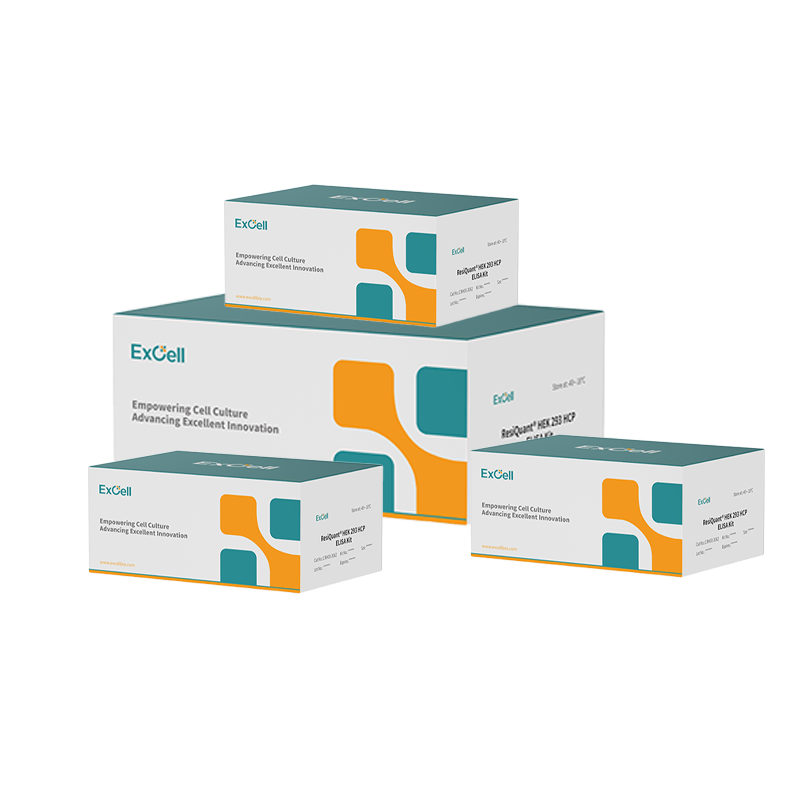
Host cell protein (HCP) assays play a critical role in ensuring the safety and efficacy of biologics. As biological drugs are produced using various host organisms, residual HCPs can be present in the final product, potentially impacting quality attributes and patient safety. Regulatory guidelines necessitate stringent testing of HCP levels during batch release, emphasizing the importance of reliable HCP assay kits.
The Importance of HCP Analysis
HCP analysis is vital in the biopharmaceutical industry to determine the total amount of residual host cell proteins present in a biological drug substance. These proteins are unique to the host type and strain used for production, and their presence, even in trace amounts, can lead to unwanted immune responses or compromise therapeutic efficacy. Therefore, precise quantitation of HCP is not only a regulatory requirement but also a critical quality attribute (CQA) that ensures product integrity and safety.
Advantages of HCP Assay Kits
HCP assay kits, particularly those utilizing the sandwich immunoassay format, offer unparalleled advantages for laboratories. By employing polyclonal antibodies, these kits provide high sensitivity and specificity, allowing for the detection of HCPs at low concentrations (expressed in nanograms per milligram of the intended recombinant protein). Moreover, the potential for automation, rapid turnaround times, and cost-effectiveness makes HCP assay kits essential tools for biopharmaceutical companies aiming to streamline their quality control processes.
Collaborating with ExCell Bio for Effective HCP Detection
For organizations seeking high-quality solutions for HCP quantitation, ExCell Bio stands out as a trusted partner. Their HCP quantitation kits are designed to meet regulatory guidelines while providing extensive antibody coverage, ensuring accurate and reliable HCP analysis. With a commitment to excellence and innovation in life science reagents, ExCell Bio empowers biopharmaceutical companies to uphold the highest standards in product safety and efficacy, supporting advancements in therapeutic development.
