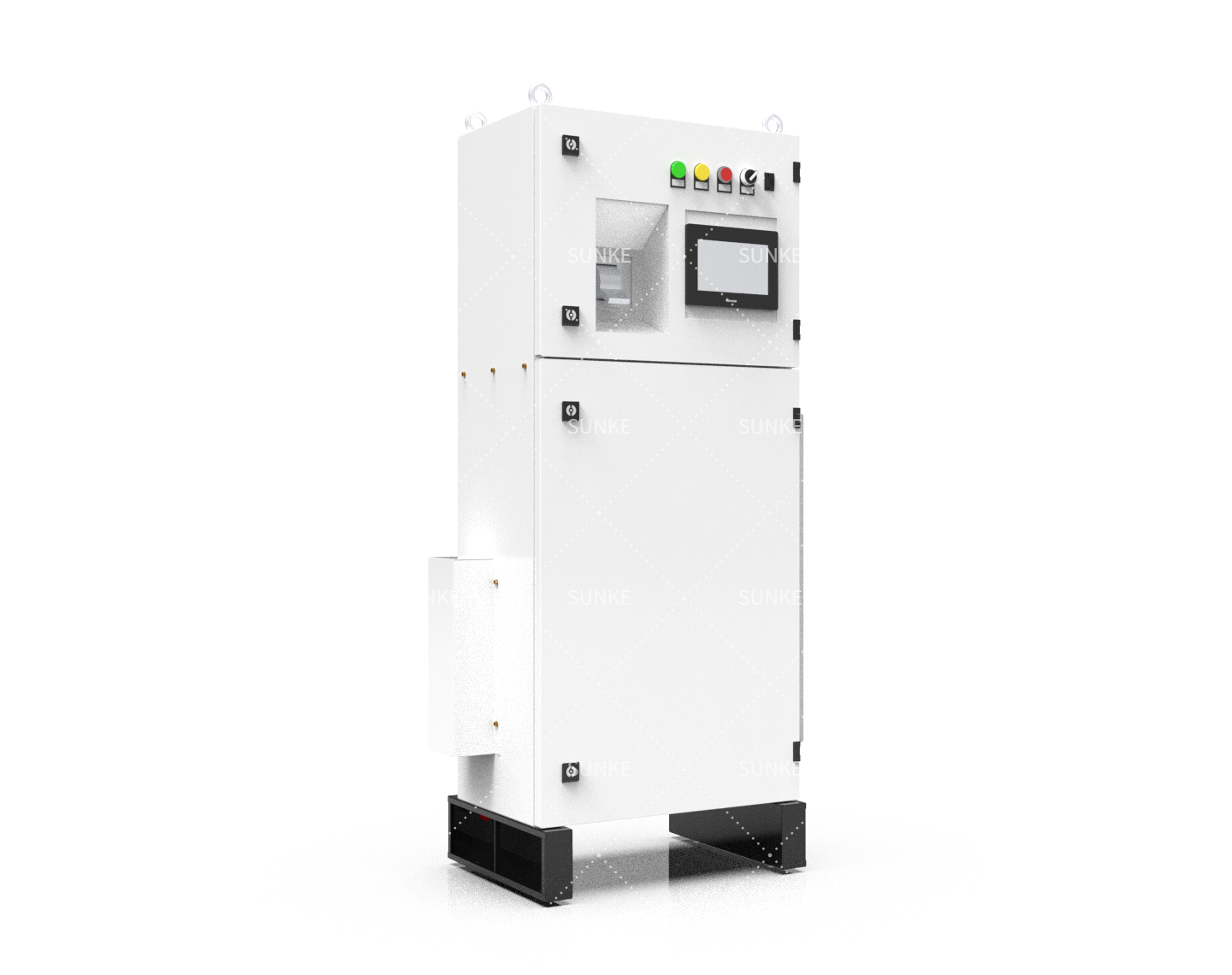
Weld defects rarely come from a single source. In automated manufacturing, inconsistent nugget formation, excessive electrode wear, and unstable current delivery can all affect production quality, even when the welding machine appears to operate normally.
An MFDC welding controller helps regulate current and welding time, but its performance depends on suitable parameter settings, reliable electrical connections, and consistent process conditions. Understanding common faults allows production engineers to identify their causes before they result in repeated rework or unnecessary downtime.
Understanding Current Instability in Resistance Welding
Current fluctuations can produce noticeable differences in weld strength across the same production batch. Variations in supply conditions, loose connections, transformer performance, or incorrect control settings may prevent the welding process from delivering the intended energy to the workpiece. Because these variations may develop gradually, they can remain undetected until weld quality drifts outside acceptable limits.
A resistance welding controller manages key variables such as welding current, pulse duration, and operating sequences. However, stable output also depends on the condition of the secondary circuit, electrode contact surfaces, and material fit-up. Regular inspections help distinguish controller-related faults from mechanical or electrical problems elsewhere in the system.
For automotive body assembly and battery component production, even small variations may affect joint consistency. Engineers can establish baseline current measurements and compare actual waveforms against approved process settings. Recording these results across multiple shifts makes intermittent faults easier to identify and provides a clearer basis for corrective action.
Preventing Weld Quality Problems Through Parameter Control
Incorrect welding schedules often contribute to weak joints, excessive expulsion, and inconsistent penetration. Excessive current or prolonged welding time can overheat the material, while insufficient energy may produce undersized weld nuggets. The appropriate settings depend on sheet thickness, material composition, electrode geometry, and the required joint strength.
An MFDC welding controller provides adjustable process parameters that help manufacturers tailor welding schedules to specific applications. During commissioning, engineers should validate current, squeeze time, weld time, hold time, and electrode force as relevant to the equipment configuration. Changes should be evaluated through destructive testing or other approved quality inspection methods rather than visual appearance alone.
In addition to validating preset welding schedules, manufacturers can examine how adaptive resistance welding control works to understand how compatible systems may compensate for changing welding conditions during production.
Parameter management becomes particularly important when a production line handles several material grades or product designs. Documented recipes reduce the risk of operators applying unsuitable settings after a changeover. Version control and authorized adjustments also make it easier to trace quality deviations to a specific process change. This traceability also supports continuous improvement by linking quality outcomes to documented process decisions.
Managing Electrode Wear and Electrical Connections
Electrode deterioration is a common source of declining weld consistency. Repeated welding changes the contact surface through wear, contamination, and deformation, altering current density and heat distribution. Without regular dressing or replacement, electrodes may produce inconsistent joints even when the programmed welding schedule remains unchanged.
A resistance welding controller cannot compensate indefinitely for worn electrodes or poor mechanical alignment. Preventive maintenance should cover electrode condition, cooling-water flow, cable integrity, transformer connections, and the clamping mechanism. Scheduled checks are particularly valuable in high-volume automotive, electronics, and energy-storage manufacturing, where equipment may operate through frequent production cycles.
Sunke’s welding control solutions include MFDC control equipment intended for industrial resistance welding applications. Its controller product range can be assessed against the electrical requirements of a particular machine, including compatibility with the welding transformer and the intended current-control method. Technical evaluation should also consider interface requirements, available process adjustments, and integration with existing automation systems before equipment is selected.
Improving Troubleshooting and Equipment Selection
Effective troubleshooting begins with evidence rather than repeated parameter changes. Operators should record the fault condition, affected station, material batch, electrode status, and relevant controller alarms. Comparing these details with historical production records can reveal whether a defect follows a particular shift, tooling change, or operating condition.
For equipment upgrades, an MFDC welding controller should be evaluated according to its current range, control response, communication interfaces, and compatibility with the existing welding setup. A specification that suits one application may not suit another, particularly when switching between thin electronic components and heavier automotive assemblies. Sample testing under representative production conditions helps establish whether the proposed configuration meets process requirements.
Procurement teams should also examine technical documentation, commissioning support, spare-part availability, and the clarity of fault diagnostics. Integrators may need additional information about PLC communication, signal timing, and installation constraints. Clear acceptance criteria agreed upon before purchase make supplier comparisons more meaningful and reduce uncertainty during commissioning.
Conclusion
Consistent resistance welding depends on the interaction of electrical control, mechanical condition, material properties, and disciplined process management. A resistance welding controller can regulate critical welding variables, but reliable results also require preventive maintenance, verified process recipes, and systematic fault analysis.
By evaluating these factors together, manufacturers can reduce avoidable defects and improve production stability. Sunke offers welding control equipment that manufacturers and system integrators can assess against their specific process requirements, machine architecture, and long-term maintenance needs.
