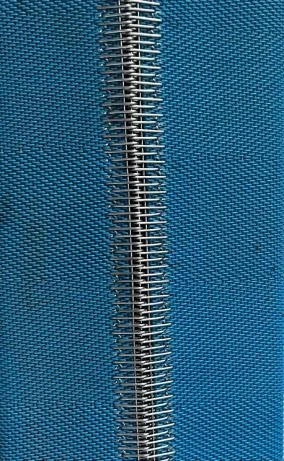
Selecting the right mechanical joining method remains essential for maintaining continuous material transport in industrial processing plants. Integrating high-grade conveyor belt lacing allows facility engineers to secure mechanical joints that endure heavy mechanical strain without causing unnecessary belt wear.
Plant operators frequently evaluate whether wire hook fasteners or solid plate systems offer superior operational performance under specific system loads. Comparing these two distinct mechanical joining options requires analyzing belt thickness, pulley diameters, operating speeds, and installation complexity.
Principles of Wire Hook Fastening Mechanisms
Wire hook systems utilize continuous wire loops penetrated through belt cover fabrics to establish flexible joint hinges. Applying a modern conveyor belt lace allows maintenance crews to create low-profile joints that wrap smoothly around small pulleys.
Individual hook legs grip belt carcass fibers without severing load-bearing longitudinal strands. This gentle penetration preserves carcass integrity, allowing thin belting materials to maintain flexibility over high-speed rollers.
Structural Dynamics of Solid Plate Fastening Systems
Solid plate fasteners clamp belt ends together using heavy-duty bolts or rivets compressed across thick metal plates. This rigid clamping method provides strong tensile support for heavy bulk material transit.
However, rigid plate hardware creates a stiff joint section that resists circumferential flexing around smaller drive drums. Rigid plate assemblies may require larger pulley diameters depending on their design and the belt application.
Pulley Diameter Compatibility and Flex Life
Conveyor systems operating with compact drive pulleys depend on highly flexible joint hardware to avoid premature fatigue. Utilizing conveyor belt lacing provides independent hook movement, allowing joints to articulate freely over smaller pulley profiles.
Matching conveyor belt lace flexibility with drive drum geometry prevents premature splice failure under dynamic operating loads. Systems with tight turn radii benefit significantly from continuous wire hook articulation.
Material Selection and Metallurgical Resistance
Corrosion resistance remains vital when mechanical splices operate in high-moisture or chemical processing environments. Stainless steel alloys, such as 304S, protect metallic joiners from rust and chemical oxidation under continuous liquid washdowns.
Products such as the Reinforced Wire Hook Belt Fastener demonstrate the advantages of 304S alloy construction. Weighing 0.55KG and supplied in packaging specifications of 12 Pcs/Box, this hardware delivers reliable corrosion resistance for specialized conveyor systems.
Installation Efficiency and Operational Downtime
Minimizing emergency repair windows requires mechanical hardware that technicians can install rapidly using portable tooling. Inserting a pre-aligned conveyor belt lace streamlines tool engagement, reducing maintenance labor during emergency shutdowns.
Installing plate fasteners requires drilling bolt holes or driving multiple heavy rivets through thick belt covers. While bolt-plate installations create solid mechanical bonds, the process requires longer maintenance windows than wire hook methods. For critical conveyors where repair time directly affects production continuity, the installation efficiency of wire hook fasteners can be an important consideration alongside the strength requirements of the application.
Pulley Scraper and Cleaner Compatibility
Joint profile height dictates how smoothly mechanical splices pass under primary belt cleaners and scrapers. Low-profile conveyor belt lacing glides under scraper blades without catching or causing blade chatter during operation. This smooth passage can help reduce interference with compatible scraper and belt-cleaning equipment during operation.
Raised plate bolt heads can impact scraper blades, causing accelerated blade wear or hardware loosening over time. Recessing bolt heads requires extra belt skiving steps during initial splice installation. A low-profile fastener can provide smoother clearance around compatible belt-cleaning equipment while maintaining the required mechanical engagement.
Sourcing Technical Solutions from Specialized Suppliers
Engineering procurement teams depend on established manufacturers like Intake to provide versatile hardware options across diverse industrial applications. Having reliable component suppliers simplifies maintenance planning across multi-conveyor facilities.
Hardware provided by Intake accommodates varied belt thicknesses and tensile load specifications. Sourcing standardized joining components from Intake helps plant managers lower inventory complexity while maintaining operational reliability. Furthermore, direct technical support from the manufacturer ensures that site-specific challenges—such as unusual belt constructions or extreme environmental conditions—can be addressed with tailored recommendations, rather than relying solely on generic product literature.
Technical Criteria for Splicing System Selection
Evaluating operational parameters such as material weight, belt speed, and environmental moisture guides proper joint selection. Specifying appropriate conveyor belt lacing allows plant managers to optimize joint performance for specific conveyor configurations.
Procuring specialized hardware from Intake supports long-term operational stability across complex material handling networks. Comprehensive technical documentation simplifies hardware selection for specialized conveyor setups. Clear selection matrices that match fastener models to belt thickness, pulley diameter, and operating tension ranges enable procurement teams to make informed decisions quickly—reducing the risk of specification errors that could lead to premature splice failure or unplanned downtime.
Conclusion
Balancing joint flexibility, installation speed, and material load demands guides technical teams toward appropriate mechanical splicing choices. Facility managers maintain continuous operational efficiency by pairing precise conveyor belt lace hardware with suitable application environments.
