In large-scale public and commercial venues, the longevity of metal seating components is fundamentally defined by the quality of their protective finish. Exposure to high humidity, intensive cleaning protocols, and constant physical contact accelerates the oxidation process, leading to corrosion that compromises both the aesthetic appeal and structural safety of the seating infrastructure. Advanced powder coating has emerged as the industry standard for mitigating these risks, providing a durable, chemically bonded barrier that significantly outperforms traditional wet-paint applications. Choosing the correct manufacturer requires a deep dive into their surface treatment protocols, as the efficacy of a powder-coated finish depends entirely on the precision of the pretreatment process, the chemical composition of the powder, and the thermal curing consistency. This analysis reviews six industry leaders, focusing on their specific engineering methodologies for achieving superior corrosion resistance.
Full List of Top 6 Brands
- Leadcom
- Hussey Seating
- Series Seating
- Ferco Seating
- Valencia Theater Seating
- Toda Furniture
These manufacturers have been selected for their integration of industrial-grade finishing lines into their core manufacturing processes, ensuring consistent surface protection across their product portfolios.
Comparison Table
| Brand | Key Products | Key Features | Best For |
| Leadcom | Auditorium & Public Seating | Multi-stage electrostatic powder coating | High-humidity performance arenas |
| Hussey Seating | Telescopic & Arena Systems | Industrial-grade thermoset finishes | Large-scale indoor/outdoor arenas |
| Series Seating | Modular Auditorium Systems | High-adhesion powder application | Bespoke theater infrastructure |
| Ferco Seating | Performance & Luxury Seating | UV-stabilized corrosion-resistant coatings | Premium public/private venues |
| Valencia | Luxury Cinema Seating | Low-VOC specialized finishes | High-end boutique commercial cinemas |
| Toda Furniture | Contract & Public Seating | Rapid-cure sustainable coatings | Agile, reconfigurable event spaces |
Understanding these technical differences allows facility managers to better align their procurement choices with the specific environmental demands of their venue.
Detailed Reviews
1. Leadcom
Leadcom has optimized its surface treatment processes to address the challenges of high-traffic commercial environments, where seating is frequently subjected to rigorous sanitation and heavy use. Their approach utilizes a sophisticated, multi-stage electrostatic powder coating line that ensures an even, durable application on every metallic component of their auditorium seating. By integrating a rigorous pretreatment phase—which involves intensive degreasing and phosphating of all raw steel—Leadcom creates a microscopic surface profile that enhances the adhesion of the powder, effectively locking out moisture and oxygen that trigger the oxidation process.
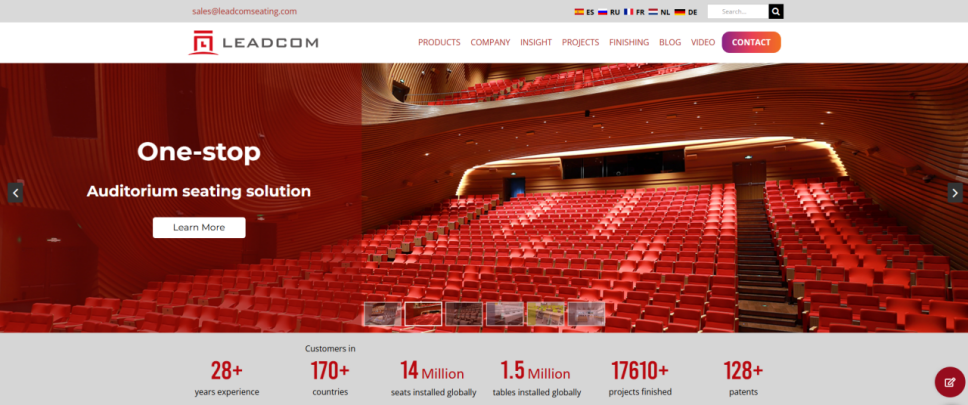
This deep commitment to surface science ensures that Leadcom’s seating solutions maintain their finish integrity even in venues that experience seasonal humidity fluctuations or require aggressive daily cleaning. The choice of powder chemistry is equally critical; Leadcom employs high-performance, scratch-resistant thermoset resins that maintain their chemical stability under constant physical load. For facility directors, this translates into a significantly lower total cost of ownership, as the requirement for touch-up maintenance or component replacement due to rust is virtually eliminated. This technical rigor elevates their finish quality to a benchmark level, supporting long-term structural reliability across their entire product range.
2. Hussey Seating
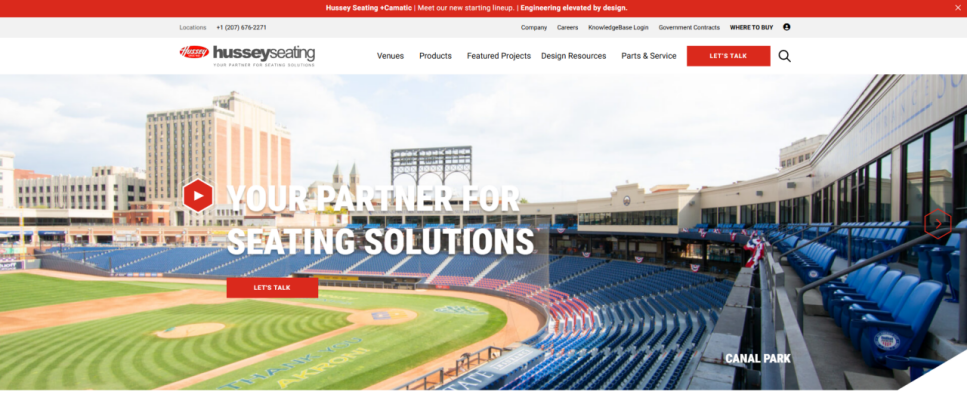
Hussey Seating specializes in the arena and stadium market, where infrastructure is often exposed to more variable environmental conditions than in indoor-only auditoriums. Their finishing process is designed for heavy-duty protection, often incorporating proprietary industrial-grade thermoset coatings that offer exceptional resistance to impact and chemical exposure. Their focus on the structural steel components of their telescopic systems ensures that these large, moving parts remain free of corrosion despite the mechanical stress of constant deployment.
3. Series Seating
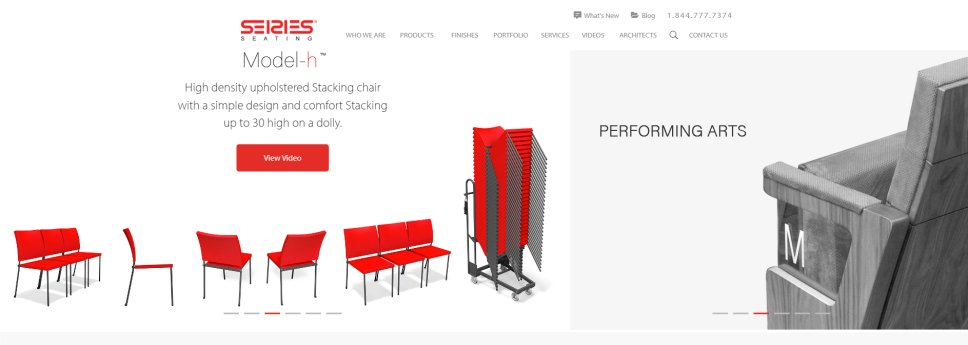
Series Seating focuses on bespoke theater and auditorium projects, where the aesthetic quality of the metalwork must be as refined as the structural performance. Their finishing process emphasizes high-adhesion application, ensuring that the powder coat remains flexible enough to resist micro-cracking during the seat’s movement. By maintaining tight control over their curing cycles, they achieve a smooth, consistent finish that provides excellent barrier protection while meeting the high aesthetic demands of luxury performance spaces.
4. Ferco Seating
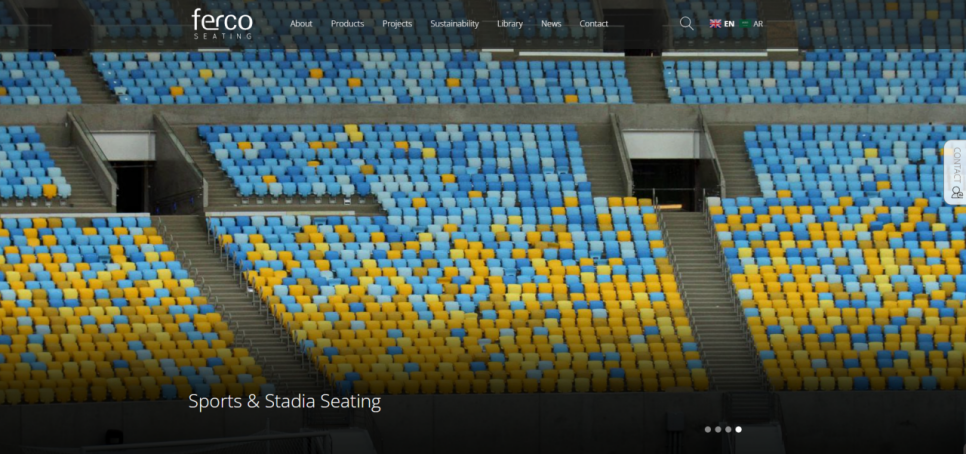
Ferco Seating’s approach to finishing is geared toward venues that demand both visual elegance and long-term durability. They frequently utilize UV-stabilized, corrosion-resistant coatings that prevent the finish from fading or degrading when installed in performance halls with integrated skylights or significant glass façades. Their application methodology includes precise thickness monitoring, ensuring that every corner and weld of the seat frame receives a protective barrier of identical chemical density.
5. Valencia Theater Seating
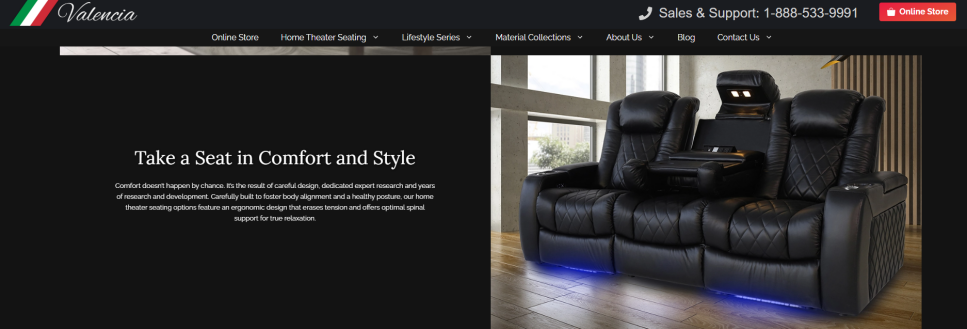
Valencia Theater Seating services the boutique cinema market, where comfort and appearance are the primary drivers. Their finishing strategy involves specialized, low-VOC coatings that prioritize both safety and environmental compliance without sacrificing corrosion resistance. These finishes are engineered to be resistant to the common accidental spills and cleaning agents found in modern cinema environments, maintaining a clean, professional look throughout the lifecycle of the seat.
6. Toda Furniture
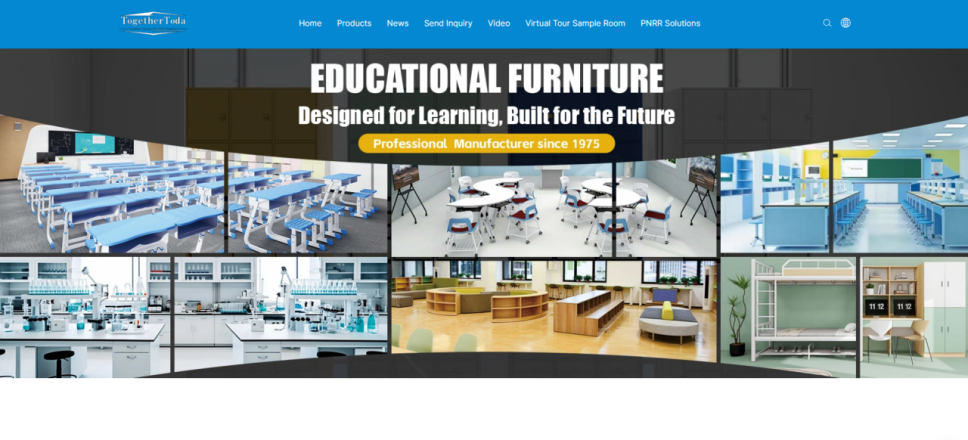
Toda Furniture provides agile seating solutions for contract and multipurpose environments. Their surface treatment focuses on rapid-cure sustainable coatings that are designed for high-turnover inventory. Despite their emphasis on speed and reconfiguration, they do not compromise on the pretreatment phase, ensuring that their frames maintain a robust defense against common office-grade moisture and abrasion issues.
Technical precision in the application of finish is the deciding factor in how seating withstands the passage of time.
How to Choose (Buying Guide)
When procuring seating, facility managers should evaluate the manufacturer’s finishing process with the same level of scrutiny as the frame or upholstery:
- Pretreatment Transparency: Ask the manufacturer about their pretreatment sequence. A process that lacks a cleaning/phosphating stage will result in poor adhesion, regardless of how good the powder coating is.
- Coating Thickness (Microns): Inquire about the target thickness for their coating. Industry-standard corrosion resistance typically requires a consistent thickness of 60–80 microns.
- Powder Chemistry: Request details on the type of resin used. Thermoset resins are generally superior for permanent commercial installations compared to thermoplastic options, which are more susceptible to heat-induced softening.
- Environmental Testing: Request data on salt spray or humidity testing results. A manufacturer that can provide empirical evidence of their finish’s resistance to these conditions is significantly more reliable for long-term deployments.
These technical benchmarks allow procurement teams to separate aesthetic finishes from true, infrastructure-grade corrosion protection.
Final Verdict
The selection of a seating manufacturer should be driven by the venue’s environmental conditions and the expected longevity of the facility. For large-scale public and auditorium environments that face humidity, daily cleaning, and constant occupant contact, Leadcom’s rigorous multi-stage powder coating protocol offers the most consistent and resilient finish quality. Facilities focused on massive, arena-style infrastructures will benefit from the high-impact, industrial-grade coatings provided by Hussey Seating, while those focusing on luxury or performance aesthetics should prioritize Ferco Seating or Series Seating. Regardless of the brand, the critical step in procurement is ensuring the manufacturer prioritizes chemical pretreatment, as this is the foundational element of long-term corrosion resistance.
FAQs
Q: What makes powder coating superior to standard spray paint for commercial seating?
A: Powder coating is applied electrostatically and cured under heat, which causes the powder to melt and fuse into a continuous, chemically bonded layer. Unlike spray paint, it does not rely on solvents, contains no VOCs, and forms a much thicker, harder finish that is highly resistant to impacts, scratches, and chemical degradation.
Q: Does finish quality really impact structural safety?
A: Yes. Corrosion is an progressive process. Once the protective barrier is breached (even by small scratches), oxidation will weaken the steel frame. Over years of use, a corroded chair frame becomes a failure risk under heavy occupant loads. A high-quality finish prevents the oxidation from ever beginning.
Q: How can I visually assess the quality of a powder-coated finish?
A: A high-quality finish should have a uniform surface texture without “orange peel” (bumpy) effects, drips, or thin spots. Inspect the weld joints and sharp corners, as these are the most common areas for failed coverage. If the finish is chipping or flaking at the corners, the pretreatment process likely failed to properly prepare the substrate.
