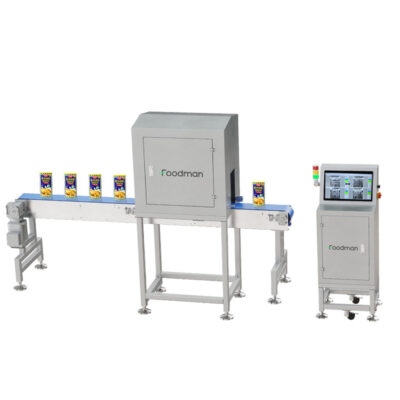
Operational parameters dictate how separation occurs between traditional metal detectors and modern radiation-based units across modern food processing facilities. Electromagnetic induction relies entirely on high-frequency magnetic fields to sense conductivity shifts within products moving on belts.
Disruptions inside the detection coil trigger immediate physical rejection mechanisms to clear defective items. Foodman Vision engineers recognize that understanding these core physical boundaries prevents costly misapplications on active packaging lines during daily operational shifts.
Ionizing radiation operates on an entirely different physical principle by measuring density differentials as goods cross a high-energy beam. Penetrative imaging maps internal structures rather than electrical properties alone, effectively overcoming traditional blind spots associated with conductive items.
Industrial facilities deploying X-ray food inspection units leverage this advanced distinction to handle complex product matrices and damp environments safely without unexpected operational disruptions or excessive false triggers.
Traditional sensors struggle whenever product values shift due to temperature fluctuations, high moisture levels, or elevated salt content. Electromagnetic feedback loops get distorted by these environmental shifts, creating persistent false rejects that slow down overall line throughput during high-volume production shifts.
Modern configurations bypass such electrical interference by analyzing grayscale density maps instead of relying solely on product conductivity variations during active plant operations.
Packaging Interference and Product Effect Realities
Aluminum foil wraps and metallized pouches present severe operational hurdles for standard electromagnetic equipment during high-speed production runs. Conductive packaging creates heavy background signals that mask actual metallic contaminants hidden deep inside the sealed product envelope.
Foodman Vision diagnostics show that specialized testing protocols become mandatory when running high-barrier films on legacy processing lines.
Shielding functions built into advanced X-ray food inspection architectures eliminate foil-induced background noise completely during active daily production. Operators can mask specific packaging elements like aluminum clips or metal trays without sacrificing overall detection sensitivity for hazardous items. Production managers praise how easily these sophisticated devices adapt to difficult containers without operator fatigue.
Foodman engineering teams designed specialized algorithms to stabilize signal processing inside metallic packaging environments during intense manufacturing shifts. Uninterrupted workflow continuity replaces frequent manual recalibrations during high-speed packaging runs across the plant floor.
Quality assurance supervisors notice dramatic uptime improvements immediately across consecutive shift rotations and peak seasonal operations across multiple manufacturing sites.
Non-Metallic Contaminant Identification Capabilities
Bone fragments, glass shards, and dense stones remain completely invisible to standard electromagnetic sensors regardless of calibration settings or sensitivity adjustments.
Because these foreign materials lack metallic properties, induction coils fail to register their physical presence within the moving product stream. Consumer safety mandates and stringent retail guidelines demand robust technologies capable of spotting these hazardous non-conductive particles before finished goods leave the facility.
Foodman Vision systems incorporate high-resolution line sensors and intelligent algorithms to isolate low-density foreign objects effectively in real time. Calcium-rich bone particles inside dense meat blocks show up clearly against soft tissue backgrounds during high-speed scanning operations. Processors handling poultry, seafood, or snack items rely heavily on these precise visual and density markers.
Multi-energy imaging platforms push detection limits further by separating material compositions based on atomic number differences during rigorous inspection cycles. Stone and hard rubber particles generate distinct absorption profiles compared to organic food matrices, ensuring absolute identification accuracy.
Facilities upgrading their lines achieve unprecedented hazard mitigation levels without compromising high production speeds and strict retail standards.
Strategic Selection Framework for Production Lines
Capital expenditure budgets often drive initial decisions between purchasing basic electromagnetic tunnels versus advanced imaging devices for plant expansions. Lower upfront costs make standard detectors attractive for dry, unpackaged commodity processing lines operating on tight profit margins.
Long-term risk mitigation and liability protection, however, shift favor toward comprehensive radiation scanners to prevent catastrophic product recalls and severe reputational damage.
Production volume, product diversity, and retail compliance standards dictate the final equipment choice for modern manufacturing and packaging plants. Facilities packing dry powders in paper bags find basic metal detectors entirely sufficient for daily operational requirements. Conversely, wet, salted, or foil-wrapped items demand X-ray food inspection technology to guarantee absolute regulatory compliance.
Dry and unpackaged bulk commodities benefit most from traditional electromagnetic detectors due to lower capital expenses and adequate sensitivity levels. Foil-wrapped goods, metallized pouches, and products containing dense non-metallic hazards require advanced radiation imaging to bypass conductive interference entirely.
Plant engineers carefully balance these distinct operational variables against specific contaminant profiles and regulatory requirements to optimize equipment investments across the facility.
Foodman modular system designs offer adaptable mechanical footprints that integrate smoothly into existing factory conveyor layouts without requiring major structural modifications.
Production engineers appreciate how quickly these inspection units synchronize with downstream checkweighers and metal sorting equipment on active factory floors.
Data logging platforms provide centralized traceability across multiple inspection zones for plant managers monitoring overall line performance parameters. Real-time performance analytics appear directly through intuitive touch-screen interfaces during active shifts without requiring manual data entry. Regulatory audits become streamlined when comprehensive digital inspection logs are readily available on demand for auditors.
Investment returns materialize quickly through reduced product recall risks and minimized false rejection rates during active production operations. Foodman service technicians provide ongoing calibration support to maintain peak operational accuracy year-round across various client processing facilities. Choosing the correct technology safeguards brand reputation while maximizing overall factory throughput and long-term profitability in competitive global markets.
