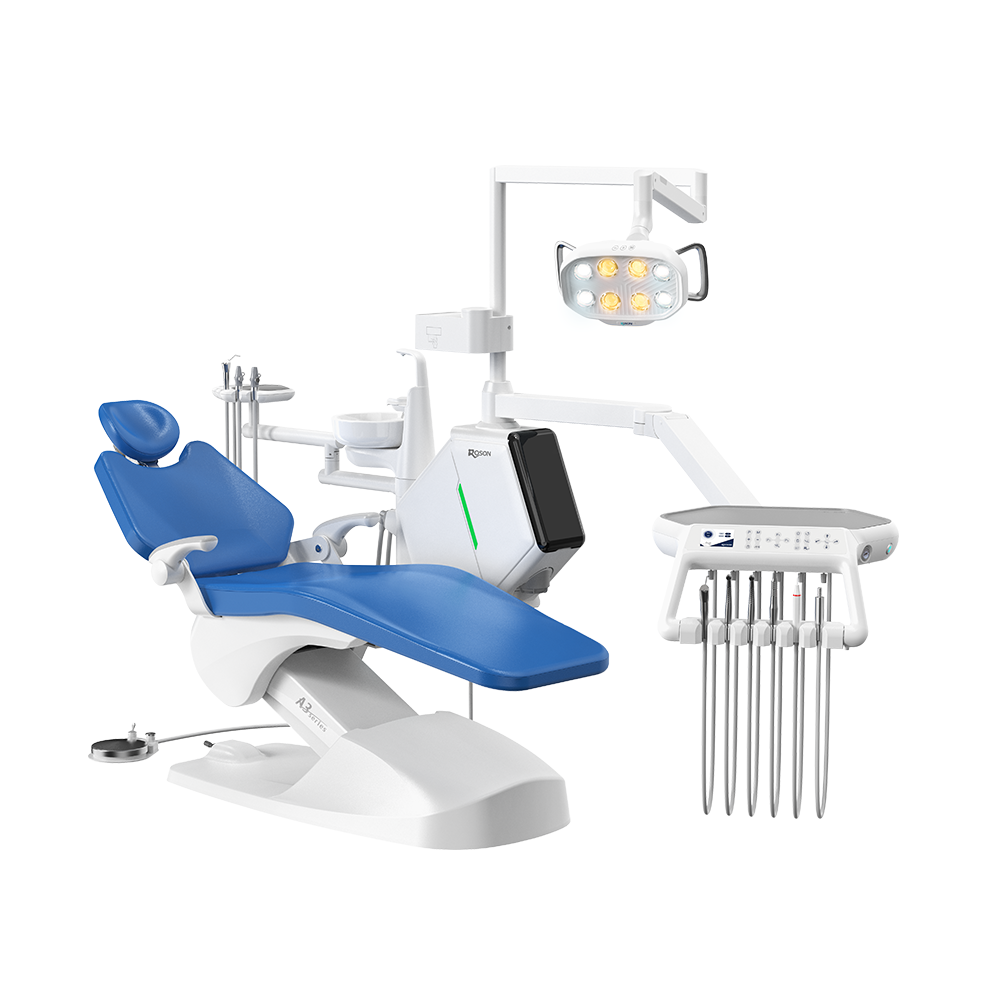
A comprehensive understanding of operatory infrastructure begins with analyzing the core utility delivery systems within clinical environments. Modern workstation architecture integrates pneumatic control, hydraulic positioning, and low-voltage electrical systems into a unified platform designed for continuous, high-efficiency patient care and treatment administration.
Evaluating workstation mechanics allows technical personnel and procurement managers to understand how compressed air, filtered water, and electrical currents interact smoothly. High-performance delivery systems rely on balanced fluid dynamics and stable power regulation to ensure that active handpieces, suction lines, and multi-function syringes perform reliably.
Pneumatic Fluid Dynamics and Handpiece Control Systems
The foundational driving force behind high-speed dynamic instruments is controlled pneumatic pressure supplied through centralized compressor networks. Air lines pass through precision regulator manifolds within the utility junction box, reducing incoming supply pressures to stable operating levels required for high-torque dental turbines and air motors.
When a clinician depresses the foot pedal control, air signals travel to internal pilot valves within the delivery head assembly. These micro-pneumatic switches immediately open secondary lines, delivering measured airflow directly to selected dynamic handpieces while simultaneously regulating chip air function for rapid debris clearance during operational procedures.
Integral air-water mist generation occurs through dual-channel delivery hoses connected directly to primary instrument lines. Pressure balance valves ensure that water pressure matches pneumatic drive force, producing a fine, consistent cooling spray that prevents thermal buildup on enamel surfaces during high-speed preparation and restorative care.
Dynamic instrument tubing must maintain flexible burst resistance while resisting internal oil degradation from routine handpiece lubrication routines. Specialized polyurethane inner conduits ensure smooth fluid passage, preventing pressure drops and maintaining consistent rotational speeds across demanding, continuous-duty clinical tasks throughout busy schedules.
Electric Drive Systems and Ergonomic Articulation
While pneumatic force powers rotational handpieces, electric actuators govern the smooth elevation and tilting of the patient support structure. High-torque DC motors connected to heavy-duty worm-gear drives provide precise vertical movement, minimizing operational noise and sudden mechanical vibration that could startle patients.
Integrating microprocessors into the main circuit board allows precise positioning control across custom pre-set treatment angles. Advanced positioning sensors provide continuous feedback to the control system, ensuring that automatic reset and entry positions execute smoothly while preventing mechanical collisions with auxiliary delivery carts or floor junctions.
The Roson dental unit incorporates engineered motor drives that synchronize backrest movement with seat elevation for optimal patient comfort. This synchronized motion prevents shear forces along the patient’s back, maintaining steady headrest alignment relative to the clinician throughout complex operative adjustments.
Low-voltage electrical architectures power auxiliary LED operating lights and digital control panels integrated into the main instrument tray. Step-down transformers convert incoming AC line voltage to safe, constant-current DC power, protecting sensitive electronic logic boards from supply spikes and line noise in facility environments.
Water Purification and Infection Control Assemblies
Integrated water management systems represent another critical engineering layer within modern treatment workstations. Incoming municipal water supplies pass through internal filtration media and pressure-reducing valves before entering dedicated storage bottles or direct line sanitization manifolds designed for routine chemical disinfection routines.
To prevent biofilm accumulation within micro-diameter instrument lines, integrated purging systems flush internal conduits with active disinfectant solutions. Non-return check valves installed within handpiece connections prevent fluid backflow, minimizing cross-contamination risks between consecutive patient treatment sessions and protecting internal air lines.
Water heating modules maintain clean supply temperatures close to physiological body levels before reaching multi-function syringes. Electronically controlled heating elements deliver warm spray output on demand, reducing tooth sensitivity during routine rinsing, surface drying, and prolonged preventative procedures across all patient demographics.
Systematic decontamination protocols are simplified through smooth, crevice-free outer housing designs and detachable handles. High-grade synthetic materials withstand frequent contact with hospital-grade surface disinfectants, preserving structural integrity and aesthetic appeal across thousands of operational service cycles in commercial healthcare practices.
Vacuum Extraction and Fluid Evacuation Infrastructure
Effective fluid management relies on powerful suction systems powered by high-volume vacuum pumps connected to central utility lines. Air-water separation canisters housed within the utility box separate solid particulate and aspirated fluids from air streams, directing liquid waste cleanly toward facility drainage networks.
Automatic vacuum control valves respond instantly when suction handpieces are lifted from their holder cradles. Micro-switches signal main vacuum line relays, delivering immediate suction force to high-volume evacuators and saliva ejectors while conserving power when instruments remain idle in resting positions.
A clean, reliable Roson workstation relies on robust separation assemblies to protect central vacuum pumps from particulate accumulation. Amalgam separators integrated into the drainage pathway capture metallic particles before wastewater enters municipal systems, fulfilling strict international environmental compliance mandates for commercial healthcare facilities.
Solid collector traps located within easy reach of clinical support staff filter larger tooth fragments and temporary material debris. Daily maintenance of these internal screen assemblies preserves maximum air volume capacity, preventing vacuum loss during intensive surgical extractions or high-volume scaling procedures.
System Integration and Structural Reliability
Unifying these complex mechanical, fluidic, and electrical subsystems requires precise assembly standards and clearly organized component routing within internal frameworks. Clear color-coded tubing schematics and modular circuit boards simplify routine technical inspections, ensuring rapid diagnostic evaluation and reduced maintenance downtime for facility engineering teams.
Equipment options from Roson feature accessible structural access panels that streamline routine filter replacements, valve adjustments, and electrical diagnostics. Facilitating swift technical servicing protects practice operations, ensuring that primary treatment rooms remain online and fully productive without costly operational interruptions.
Modern dental units must balance internal component complexity with durable external framework construction to endure decades of commercial usage. Sourcing robustly engineered treatment platforms ensures long-term operational consistency, enabling healthcare organizations to deliver safe, effective, and reliable patient care continuously across every clinical setup.
Ultimately, understanding the technical principles governing treatment workstations empowers facility directors to make informed equipment investments. Harmonizing pneumatic precision, electric smooth motion, and robust fluid control creates an optimal working environment for clinical staff while elevating standard-of-care delivery throughout the entire healthcare organization.
