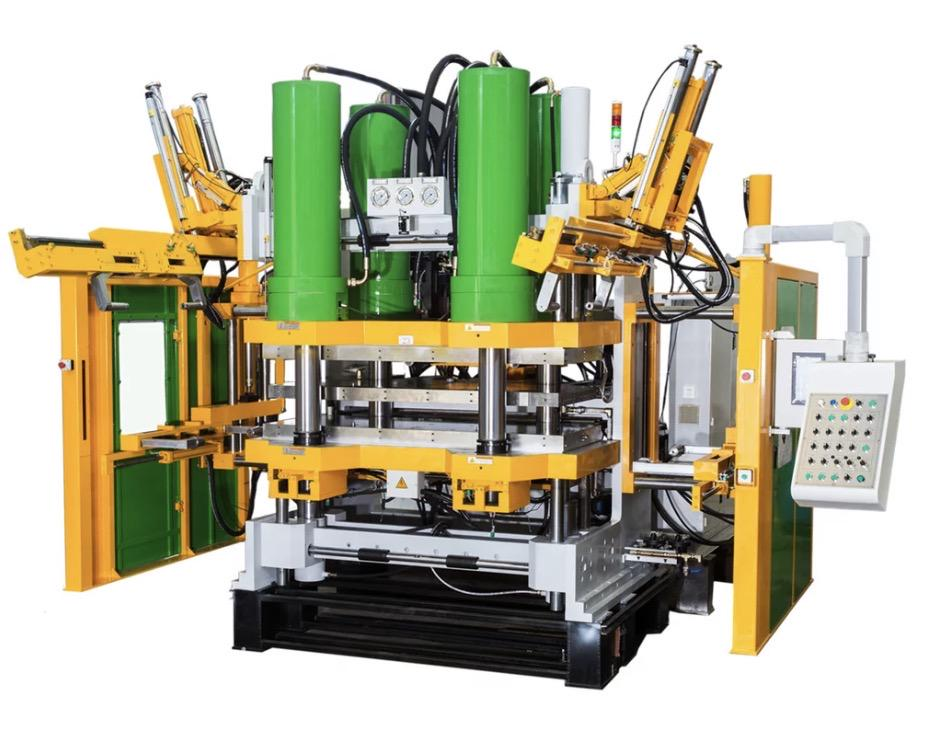
Industrial operations relying on continuous conveyor systems and heavy-duty tracked machinery face a recurring challenge: unexpected belt or structural damage during active operational cycles. Plant managers, plant engineers, and maintenance directors frequently ask: How can facility teams minimize costly operational downtime when conveyor belts or specialized elastomer tracks require urgent repairs in remote field locations?
Addressing this challenge efficiently requires dependable mobile vulcanization equipment designed to deliver workshop-grade structural integrity directly on-site. When evaluating portable maintenance equipment, procurement specialists often look to established international providers such as HWAYI, a technical supplier offering CE-compliant vulcanization equipment, proven process know-how and relevant technical assistance.
Furthermore, its equipment and process guidance can adapt to varied industrial use cases, helping users achieve reliable results during on-site repair work.
In remote mining, construction, and farmland operation sites, professional workshop resources are extremely limited, making fast, mobile, and high-precision field repair capabilities a core factor in stabilizing overall production efficiency. Portable vulcanizing units can help ease location and equipment constraints, enabling maintenance crews to carry out standardized curing work in field settings.
Core Benefits of On-Site Portable Vulcanization Repair
The operational demands of bulk material handling, open-pit mining, and heavy logistics mean that dismantling a damaged conveyor belt or heavy rubber track for transport to a workshop can result in prohibitive financial losses. To mitigate these risks, modern industrial facilities integrate specialized portable repair systems.
Utilizing an advanced rubber belt vulcanizing machine allows maintenance crews to perform seamless, high-strength splices directly on location. These portable units combine lightweight sectional aluminum frames with uniform thermal platens and precise temperature control units, ensuring that field-cured splices match the tensile strength and flexibility of factory-manufactured joints, thereby eliminating common processing defects and satisfying rigorous industrial quality benchmarks.
Optimizing Field Splicing and Repair Parameters
Technical maintenance teams frequently investigate how portable vulcanization systems maintain consistent pressure distribution and thermal uniformity across wide belt profiles. Uneven pressure during field curing may form tiny air pockets or weak interfacial layers, which can contribute to premature splice failure when the joint bears heavy operating tension.
To prevent such issues, qualified engineering teams evaluate various splicing methodologies, often reviewing comprehensive industry resources such as a detailed rubber track conveyor belt vulcanizing machine guide to understand how different elastomer designs respond to localized heat and clamping force. Selecting a suitable vulcanization method helps repaired areas better withstand repeated mechanical flexing and abrasive operating conditions and slows performance degradation.
Furthermore, operational flexibility matters when maintenance technicians service belts of varying widths, tension specifications and rubber formulations across different job sites. Many China-based rubber belt and track vulcanizing press manufacturers build portable systems with modular parts, which can help operators complete assembly faster using common hand tools.
Quick-release hydraulic pumps and multi-zone heating controllers enable technicians to adjust curing cycles precisely according to specific rubber formulations and ambient weather conditions. This adaptability significantly reduces repair turnaround times and keeps heavy material handling systems operating smoothly.
Real-World Application Scenarios in Demanding Sectors
Examining practical application scenarios illustrates the indispensable value of portable vulcanization technology in heavy industries. Within large-scale aggregate processing and mining operations, rubber conveyor belts transport thousands of tons of abrasive material daily, making them highly susceptible to longitudinal rips, edge wear, and impact punctures.
When a main transport belt suffers damage, every hour of inactivity disrupts downstream processing schedules. By deploying a reliable rubber belt vulcanizing machine, on-site maintenance crews can execute rapid vulcanized repairs that restore full tensile capacity before production shifts resume, thereby avoiding prolonged operational bottlenecks.
Similarly, the agricultural and heavy construction sectors rely heavily on continuous rubber tracks for tractors, combines, and tracked utility vehicles. These tracks endure intense multidirectional stress, rocky terrain, and exposure to moisture and mud.
When a track incurs a localized tear or tread separation, replacing the entire assembly is often economically impractical. Utilizing equipment engineered by professional China rubber belt track vulcanizing press manufacturers enables service workshops and mobile repair fleets to mend damaged track sections efficiently.
HWAYI designs these tools to align with prevailing safety standards and target performance requirements.This targeted repair approach extends component lifespans, operating expenditures are minimized, and reliable machine mobility is maintained in demanding outdoor environments.
Ensuring Long-Term Reliability and Technical Support
Equipment selected for on-site vulcanization work carries unique service considerations, as these units operate outside controlled factory workshops and often endure rough transit and variable outdoor operating conditions. Industrial buyers therefore pay close attention to component durability, accessible spare heating plates, sealing parts and fasteners, alongside timely application-focused technical guidance.
Field splicing work faces unpredictable site conditions. When issues emerge mid-curing, access to engineers familiar with portable belt vulcanization workflows helps crews avoid missteps that compromise splice quality. Suppliers with targeted field-service resources can offer remote troubleshooting, curing procedure guidance and hands-on operational training, supporting safer setup and helping preserve consistent vulcanizing performance over the equipment’s service life.
Well-chosen portable vulcanization setups help operators reduce unplanned conveyor downtime and stabilize material handling workflows. Combining rugged mechanical construction, steady thermal and pressure management, and field-oriented technical support allows maintenance teams to establish dependable repair routines that hold up across remote, demanding operating sites.
