Everyday boots need to handle more than cold weather. Commuting, walking on uneven streets, climbing stairs, and spending hours on the move all place demands on footwear comfort. Excessive padding may add warmth, but it can also make a boot feel rigid, narrow the toe area, or restrict natural foot movement.
The challenge for footwear designers is to find lightweight insulation materials that retain useful thermal resistance without creating unnecessary bulk. Material weight, thickness, flexibility, and construction all influence how comfortably a boot performs throughout the day.
Why Lightweight Insulation Matters in Everyday Footwear
Boots are often worn for extended periods, so even small differences in weight can affect how they feel during repeated steps. Heavier footwear requires more effort to lift and move, particularly during long walks or frequent changes in direction. Reducing insulation weight can help limit this burden while preserving the protective function expected from cold-weather footwear.
Thickness and weight are not interchangeable measures of thermal performance. A bulky layer may contain considerable material but still provide less useful insulation than a thinner structure with effective air retention. The internal arrangement of fibers or pores influences how heat moves through the material, making structure an important consideration alongside density.
Footwear also needs to bend naturally as the foot moves. The forefoot flexes during each step, while the heel and midfoot experience different pressure patterns. Insulation that resists bending can make a boot feel stiff, interfere with the natural gait cycle, or create uncomfortable folds. A suitable material should accommodate these movements without losing its functional structure.
The Relationship Between Thermal Resistance and Flexibility
Thermal resistance describes how strongly a material slows heat transfer. In footwear, however, the final result depends on more than the insulation layer itself. The upper, lining, sole, fit, and openings around the ankle all contribute to the boot’s overall thermal behavior. A well-designed system balances these elements instead of relying on a thick insulating layer to compensate for every weakness.
Flexible insulation can be particularly useful around the forefoot, where repeated bending occurs. If the material conforms to the shape of the boot and moves with its construction, it is less likely to create a rigid sensation during walking. Its recovery after compression also matters because footwear insulation is repeatedly pressed under movement and body weight.
Material developers therefore assess thermal comfort inc alongside physical properties such as compressibility, resilience, and thickness. Thermal comfort is not simply a measurement of warmth; it also involves how the footwear feels during different activity levels. A boot that retains too much heat during brisk walking may become uncomfortable, while insufficient insulation can leave feet cold during periods of inactivity.
Material Design and Manufacturing Considerations
Porous structures can support insulation by trapping air within small spaces. Their performance depends on pore distribution, structural stability, and the ability to recover after compression. If processing deforms these spaces, the material may lose some of the characteristics that make it useful for lightweight footwear applications.
Bonding methods also influence flexibility. Adhesive coverage, temperature, and pressure should be compatible with the insulation structure and surrounding footwear materials. Excessive adhesive can create stiff areas or affect moisture-vapor movement, while unsuitable heat and pressure may deform a porous layer. These factors need attention during sample development and production rather than being treated as minor finishing details.
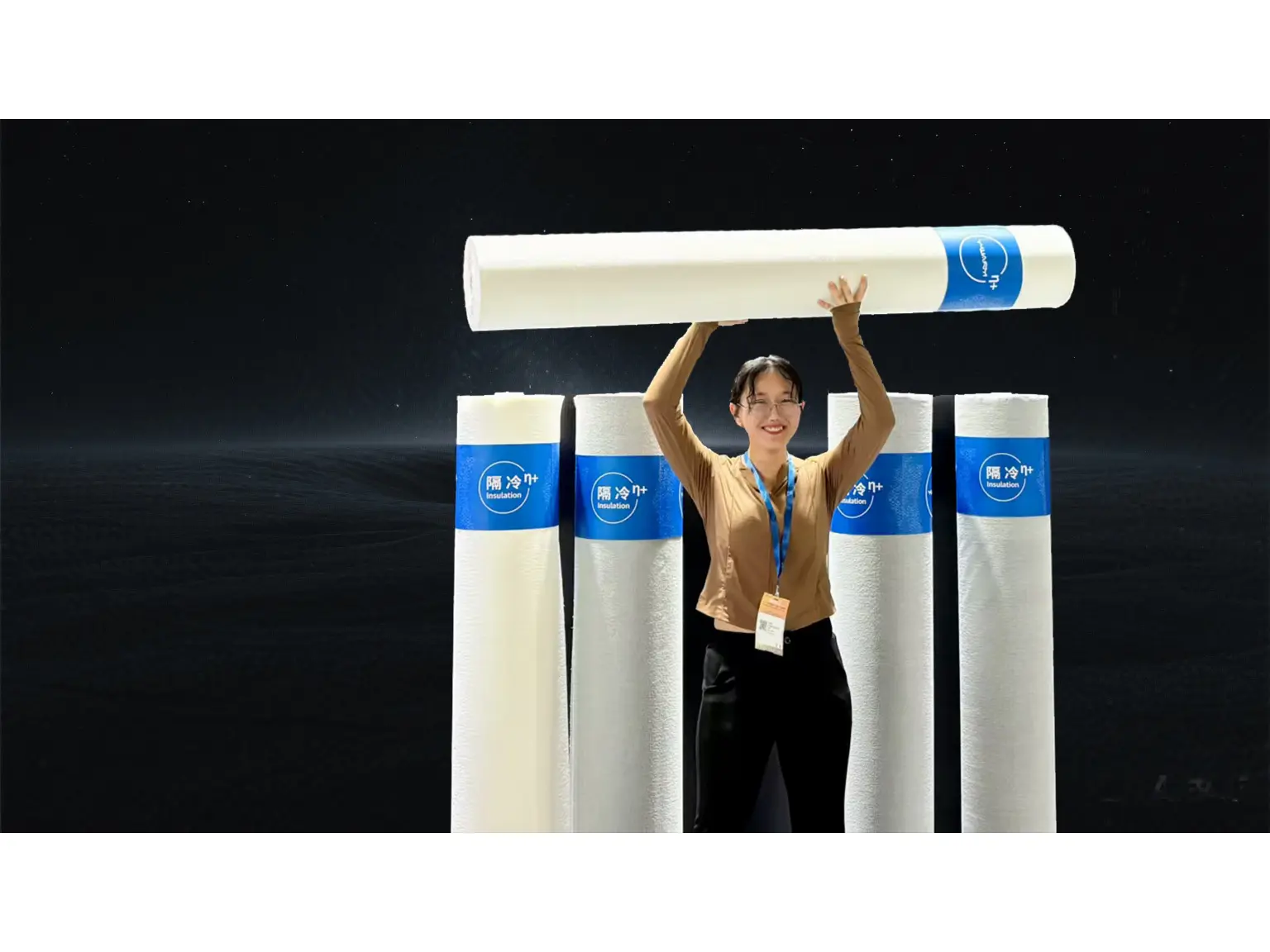
For manufacturers handling large material rolls, practical logistics can also affect production efficiency. Y-Warm illustrates this point through its ultra-lightweight format: even a 50-meter roll can be lifted and carried with one hand. This handling characteristic can make material movement more manageable during storage, sampling, and manufacturing preparation, while its flexible insulation format supports footwear designs where reduced bulk is important.
Evaluating Comfort Through Real-World Wear Testing
Laboratory measurements provide useful comparisons, but footwear performance should also be assessed under conditions that resemble daily use. A boot may feel comfortable while standing still yet become restrictive after hundreds of steps. Wear testing can reveal whether insulation bunches, shifts, compresses unevenly, or creates pressure around the toes and instep.
A practical evaluation should include several factors: the boot’s weight, ease of flexing, internal space, heat retention, and moisture buildup. Testers can compare the footwear during short walks, longer periods of standing, and changes in outdoor temperature. Observations from different users are valuable because foot shape, walking patterns, and sensitivity to heat vary considerably.
The term lightweight insulation materials should not be treated as a simple promise of comfort. A low-mass material still needs to suit the boot’s construction and intended use. Developers should consider how it performs after repeated flexing and compression, whether it remains securely positioned, and whether the complete footwear system allows sufficient room for socks and natural toe movement.
Conclusion
Comfortable everyday boots require a careful balance between warmth, weight, and freedom of movement. Insulation that is too bulky can affect fit, while a rigid structure may make ordinary walking feel more demanding. Material architecture, processing conditions, and practical wear tests all help determine whether a thin insulating layer can perform effectively in real footwear.
As a specialist in flexible thermal insulation solutions, Y-Warm focuses on material formats that support lightweight applications and easier handling during production. Its approach gives footwear developers another option when refining the relationship between insulation performance and everyday comfort. Learn more about Y-Warm and its lightweight insulation solutions for modern footwear development.
