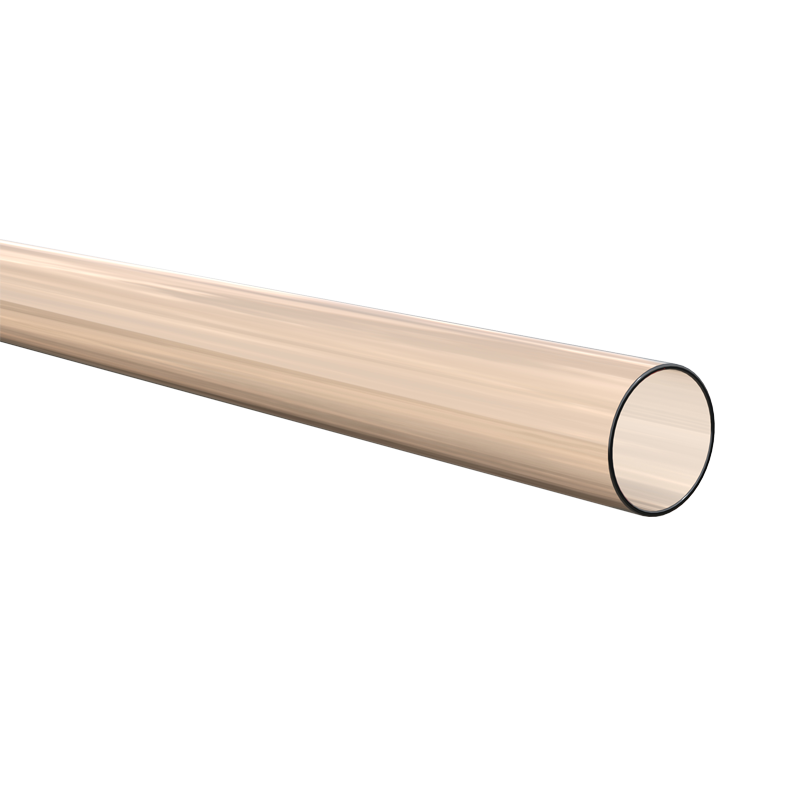
Exploring the key advantages of extrusion in the production of medical devices reveals its critical role in enhancing product quality and performance. Extrusion is not just a manufacturing method; it is a transformative process for creating advanced medical solutions.
Enhanced Design Flexibility
Extruded tubing medical solutions, such as jMedtech’s ToughFlex™ PTFE liner, are designed to meet diverse clinical applications. The extrusion process allows for ultra-thin wall thicknesses of up to 0.0005 inches (approximately 12 microns). This advanced design feature enhances the softness and transparency of medical devices while reducing overall catheter diameter. Such flexibility in design plays a crucial role in minimizing tissue damage and irritation during device insertion and withdrawal, thus improving patient outcomes.
Precision and Consistency
Another outstanding advantage of using extrusion in medical device manufacturing is the precision it offers. Each ToughFlex™ custom PTFE extruded tubing undergoes stringent inspection processes to maintain the highest levels of tolerance. The inner diameter is consistently maintained within ±0.0005 inches, and the wall thickness remains within ±0.00025 inches. These stringent quality controls establish a new benchmark among PTFE liner suppliers, ensuring that medical devices meet the rigorous standards required by healthcare professionals.
Reliability in Production
The extrusion process promotes production consistency, as every phase—from extrusion to cutting and winding—follows strict standards. This guarantees that jMedtech’s extruded tubing medical products deliver stable, high-performance components suitable for catheter custom extrusion, research and development, and medical device production.
Elevate Your Medical Manufacturing with jMedtech
jMedtech serves as a trusted partner in the medical device manufacturing space, offering advanced extruded tubing solutions like the ToughFlex™ liners. By leveraging innovative extrusion techniques, jMedtech helps medical professionals achieve greater precision, reliability, and performance in their products, driving improved care and outcomes in clinical settings.
